SlimSet Official Website › Blog › What 138 mg Of Caffeine Does
What 138 mg Of Caffeine Actually Does In A Capsule
It is the largest row on this panel and the only one present at an amount the published research used. That makes it the row worth understanding properly, including the part of the finding that rarely reaches a product page.
- The panel prints 138 mg of caffeine anhydrous, the largest of its five rows.
- The 1989 work measured a 3 to 4% rise in resting metabolic rate from 100 mg, lasting about 150 minutes.
- The 1990 study ran 100, 200 and 400 mg and found the thermogenic effect dose-dependent, with heart rate and blood pressure following it up.
- Roughly 400 mg a day from all sources is the figure the safety review supports for healthy adults.
- 400 mg taken six hours before bed measurably disturbed sleep in people who said they felt fine.
The row itself, and where it sits
The panel on this bottle carries five actives. Four of them are printed at 130 mg. The fifth, caffeine anhydrous, is printed at 138 mg, which makes it the largest single amount on the label and about a fifth of the 658 mg declared in total.
Caffeine anhydrous simply means caffeine with the water removed: a fine white powder that can be weighed accurately and capsuled. It is the same molecule found in a coffee bean or a tea leaf, and the body does not treat it differently. What changes is the precision. A capsule can carry a number on it; a cup of coffee brewed at home cannot.
That precision is the reason this row deserves a longer look than the others. When an amount is stated, it can be set beside the amounts used in published trials, and the comparison either holds or it does not.
Where the rest of the caffeine hides
Two other rows carry caffeine of their own. Green tea extract is bounded on the artwork at under 3% caffeine, which caps its contribution at roughly four milligrams. Green coffee bean extract is made from coffee beans, so it carries some as well, and the panel puts no ceiling on that one. The honest reading is that a capsule sits a little above 138 mg rather than exactly at it.
What caffeine was measured doing
This is the only ingredient in its category with a dose-response curve that separate laboratories have reproduced, which is worth saying before any of the qualifications.
The 1989 study gave lean and post-obese volunteers 100 mg of caffeine and measured resting metabolic rate under a ventilated hood. It rose 3 to 4% and stayed raised for about 150 minutes. The same team then ran a repeated schedule, 100 mg every two hours across twelve hours, and measured daily energy expenditure rising by around 150 kilocalories in the lean group.
A 1990 double-blind study tested 100, 200 and 400 mg against placebo and measured thermogenesis, metabolic markers and cardiovascular response on the same volunteers. The thermogenic effect climbed with the dose. So did heart rate and blood pressure, which is the half of the result that tends not to appear on a box.
| Study | Amount given | What it measured | What it found |
|---|---|---|---|
| 1989 thermogenesis study | 100 mg single, then 100 mg every 2 hours for 12 hours | resting metabolic rate and daily energy expenditure | a 3–4% rise over 150 minutes; about 150 extra kilocalories a day in lean volunteers on the repeated schedule |
| 1990 dose-response study | 100, 200 and 400 mg against placebo | thermogenesis, metabolic markers, heart rate and blood pressure | a dose-dependent thermogenic effect, with cardiovascular readings rising alongside it |
| 2019 dose-response meta-analysis | pooled across randomised trials | body weight rather than gas exchange | a present and modest effect once weight is the outcome |
The left-hand column is what the researchers gave. It is not a recommendation and it is not what this capsule carries.
When a 2019 dose-response meta-analysis pooled the trials that measured body weight rather than gas exchange, the effect was present and small. That is the usual pattern in this field: an effect that is easy to measure in a laboratory over hours becomes hard to detect on a scale over months.
Turning a percentage into calories
A 3 to 4% rise in resting metabolic rate sounds substantial until it is converted into the unit anybody actually cares about.
Resting metabolic rate for most adults falls somewhere between 1,300 and 1,800 kilocalories a day. Take 3 to 4% of that and the answer is roughly 45 to 65 kilocalories, and only while the caffeine is circulating rather than across the whole day.
Forty-five kilocalories is a third of a banana. Sixty-five is a thin slice of bread. It is a real, honestly measured physiological effect, and it is also smaller than the difference between two ordinary days of eating.
A number this size is useless to somebody expecting a capsule to do the work and useful to somebody who wants to know what they are buying. The alertness, the perceived effort during exercise and the appetite effects people report are separate questions from the calorimetry, and they are the reasons most people take caffeine at all.
Why a coffee drinker feels less of it
Tolerance is the first thing the caffeine literature sets against itself. The alertness effect of a fixed daily dose fades within days in regular consumers, and the adaptation is well enough documented that any honest account of a caffeine product has to lead with it.
This has a practical consequence for a once-daily capsule. Somebody who drinks no coffee will notice 138 mg clearly for the first week. Somebody already drinking two or three cups will notice very little, because their system has already adapted to more than the capsule delivers.
It also means the honest question is not whether the capsule contains caffeine. It is whether it is replacing caffeine you already take or adding to it.
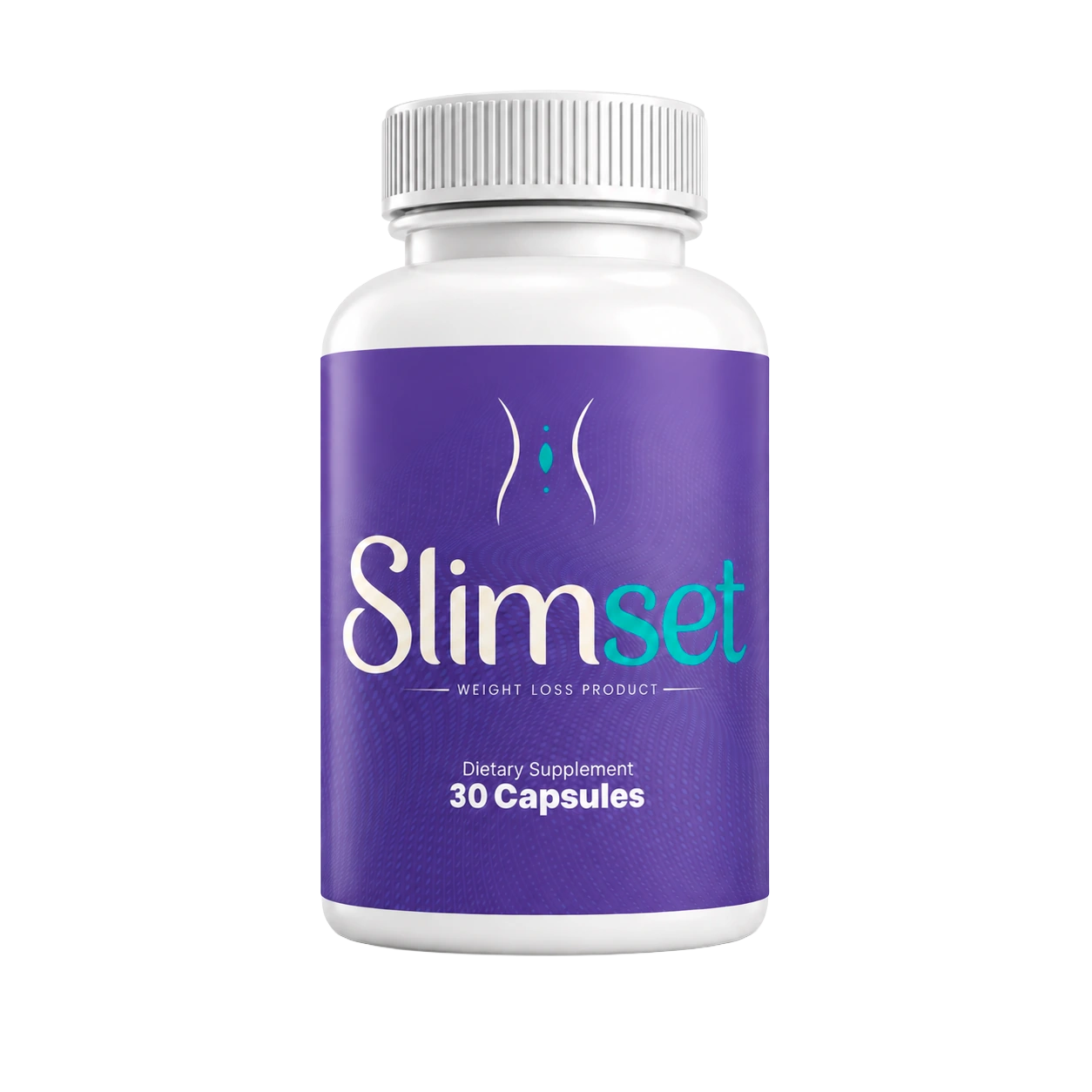
See the whole SlimSet panel before you weigh one row
Five actives, a milligram figure against every one, 658 mg declared in total. One capsule a day, 30 to a bottle, with 60 days from purchase to change your mind.
One bottle $89 · six bottles $294 · 60-day money-back guarantee
Order SlimSet On The Official WebsiteOne capsule a day · 30 per bottle · lot SLI-26/GE-8193
The daily ceiling, and where a capsule fits in it
A 2017 systematic review of caffeine safety examined adverse effects across healthy adults, pregnant women, adolescents and children, and it supports roughly 400 mg a day for healthy adults as the figure below which the evidence does not show consistent harm. That figure covers every source combined, not each one separately.
| Source | Typical caffeine | What it leaves |
|---|---|---|
| One SlimSet capsule | 138 mg declared, plus a few milligrams from the botanical rows | roughly 255 mg of the 400 mg daily figure |
| A mug of filter coffee | about 95–140 mg | roughly 120–160 mg |
| A double espresso | about 130 mg | roughly 130 mg |
| A mug of black tea | about 45 mg | roughly 215 mg |
| A 500 ml energy drink | about 160 mg | roughly 100 mg |
Beverage figures are ordinary published ranges and vary with bean, leaf and brewing. The capsule figure is the one printed on the panel.
Read the right-hand column as a budget rather than a permission. A capsule taken with a morning coffee and an afternoon energy drink has spent most of the day's allowance before lunch, and the tail of it is still circulating at bedtime.
- Take the capsule in place of a cup, not alongside one. The label asks for it 20–30 minutes before a meal with a full glass of water, which fits a breakfast routine cleanly.
- Count everything. Coffee, tea, cola, energy drinks, pre-workout powders and some cold remedies all contribute to the same total.
- Treat a bad night as data. If sleep changes in the first week, the capsule has moved something and the timing is the first thing to adjust.
- One capsule is the whole dose. The label asks for one a day and says not to exceed it.
The part that can undo the rest
Sleep is where a caffeine product can quietly work against the outcome its buyer wants, and the trial data on this is unusually clean.
A 2013 trial gave 400 mg of caffeine at zero, three and six hours before bed and measured sleep objectively. Disruption was measurable even at the six-hour point, in people who reported feeling unaffected by it. The gap between what the volunteers noticed and what the instruments recorded is the finding worth carrying away.
Short sleep affects appetite regulation, next-day activity and how much anybody feels like moving. A capsule that adds 138 mg of caffeine to an afternoon is capable of costing more through a disturbed night than it contributes through a raised metabolic rate, and 45 to 65 kilocalories is not a large margin to give back.
Blood pressure, and who responds most
The 1990 dose-response work measured cardiovascular response alongside thermogenesis, and the two rose together. Later work has filled in who responds most.
A 2010 study examined the blood pressure response to caffeine against sex, age and hormonal status and found it varies considerably between people. That is a reason to treat an individual reading as more informative than an average.
Anyone already managing blood pressure has a specific, concrete question to put to whoever prescribes for them: whether a daily 138 mg capsule belongs in their day. That is a short conversation with a clear answer, and it is better had before the first bottle than after the third.
Reading your own week instead of guessing
Because the effect size is small and the individual variation is large, a week of notes is worth more here than any average from a trial.
- Write down what you currently drink, in cups, for three ordinary days before starting.
- Take the capsule at the same time each morning, with the glass of water the label asks for, 20 to 30 minutes before eating.
- Record bedtime, waking time and an afternoon alertness rating out of five.
- Note whether the capsule replaced a coffee or joined one.
- Read the week back at the end rather than judging it day by day.
That routine answers the questions the research cannot answer for any individual, and it takes about thirty seconds a day. The how to use page sets out the label’s own instructions word for word, and the side effects page covers the interactions worth naming before a first capsule.
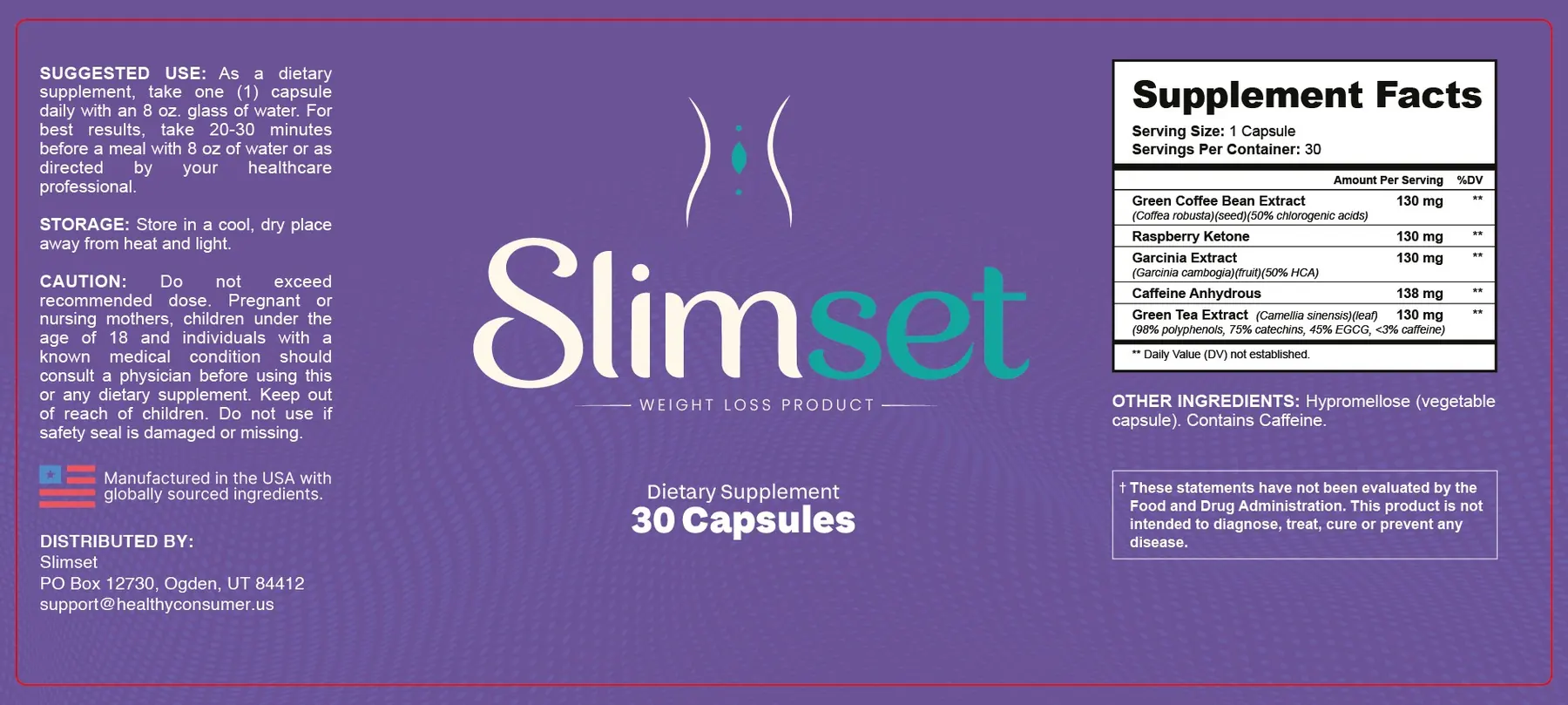
A dietary supplement for healthy adults of 18 and over, not a medicine and not FDA-approved. The bottle itself prints no support claim: the category line under the wordmark, “Dietary Supplement” and “30 Capsules” are the whole of it. Appetite control, everyday fat metabolism and steady energy are lines from the seller’s sales page, and this website attributes them there. Nothing in this article raises that ceiling.
References
- Dulloo AG, Geissler CA, Horton T, Collins A, Miller DS. Normal caffeine consumption: influence on thermogenesis and daily energy expenditure in lean and postobese human volunteers. Am J Clin Nutr. 1989;49(1):44-50. PMID 2912010. https://pubmed.ncbi.nlm.nih.gov/2912010/
- Astrup A, Toubro S, Cannon S, Hein P, Breum L, Madsen J. Caffeine: a double-blind, placebo-controlled study of its thermogenic, metabolic, and cardiovascular effects in healthy volunteers. Am J Clin Nutr. 1990;51(5):759-67. PMID 2333832. https://pubmed.ncbi.nlm.nih.gov/2333832/
- Tabrizi R, Saneei P, Lankarani KB, et al. The effects of caffeine intake on weight loss: a systematic review and dose-response meta-analysis of randomized controlled trials. Crit Rev Food Sci Nutr. 2019;59(16):2688-2696. PMID 30335479. https://pubmed.ncbi.nlm.nih.gov/30335479/
- Wikoff D, Welsh BT, Henderson R, et al. Systematic review of the potential adverse effects of caffeine consumption in healthy adults, pregnant women, adolescents, and children. Food Chem Toxicol. 2017;109(Pt 1):585-648. PMID 28438661. https://pubmed.ncbi.nlm.nih.gov/28438661/
- Drake C, Roehrs T, Shambroom J, Roth T. Caffeine effects on sleep taken 0, 3, or 6 hours before going to bed. J Clin Sleep Med. 2013;9(11):1195-200. PMID 24235903. https://pubmed.ncbi.nlm.nih.gov/24235903/
- Farag NH, Vincent AS, McKey BS, et al. Caffeine and blood pressure response: sex, age, and hormonal status. J Womens Health (Larchmt). 2010;19(6):1171-6. PMID 20500126. https://pubmed.ncbi.nlm.nih.gov/20500126/