SlimSet Official Website › Side effects
Side effectsSlimSet Side Effects
The side effects people report from SlimSet are caffeine effects: jitteriness, a headache, and shorter or shallower sleep.
One capsule carries 138 mg of caffeine anhydrous, a little over a third of the 400 mg a day healthy adults generally tolerate. Green tea extract and garcinia both carry published liver case reports at doses well above the amounts on this panel.
What to expect, what the research measured, and what to do about each.
What are the common SlimSet side effects?
Six things people describe, with the usual cause and the usual fix.
Everything in this first group is a caffeine effect, because caffeine is the only compound on this panel present at a quantity known to produce one. Each entry names what usually causes it and what usually fixes it.
Jitteriness or a racing feeling in the first hour
The classic sign of more caffeine than the day was expecting. The usual cause is the capsule landing on top of the normal coffee rather than in place of it. Move the capsule into a cup’s slot, and take it with the 8 oz of water the label asks for rather than with another stimulant.
A headache, often on day one or on a day the capsule is missed
Two different headaches with the same appearance. A day-one headache is usually a rise in intake; a missed-day headache is usually a fall. Keeping the daily total steady, rather than the capsule, is what settles both.
Sleep that is shorter or shallower than usual
The most reliably measured effect on this list. A controlled trial gave 400 mg at bedtime, three hours before bed and six hours before bed, and found measurable disruption in all three arms, including the six-hour one where participants did not report noticing it. The wider review reaches the same conclusion. An early capsule removes the question.
A stomach that does not like it on an empty morning
Caffeine increases gastric acid secretion and the capsule is meant to be taken ahead of food. If the empty-stomach window is the problem, shortening it to twenty minutes rather than thirty keeps the label satisfied and puts the meal closer.
Feeling wired early and flat later
A rise and a clearance, which is what caffeine does. It reads as a crash and is mostly the absence of the rise. Taking the capsule at the same time each day makes the pattern predictable rather than surprising.
Nothing at all
The commonest outcome for a habitual coffee drinker, and not a defect. Tolerance to the alertness effect builds within days of regular intake, so somebody already taking 300 mg a day is unlikely to notice a swapped 138.
The caffeine in SlimSet, and the two measured risks
Four findings, each with the amount the study used beside it.
Two effects of caffeine have been measured often enough to be stated as facts rather than possibilities, and both are worth knowing with the figure attached rather than in general terms.
Sleep, which is measurable even when it is not noticed
The six-hour arm of the sleep trial is the finding worth carrying: participants did not report a problem and the measurements showed one. That is the argument for taking a caffeine capsule in the morning rather than for trusting how the evening feels.
Blood pressure, which rises acutely and does not always settle quickly
A 1998 study measured caffeine raising blood pressure through a normal working day rather than for an hour after the cup, and later work found the size of that response differs with sex, age and hormonal status. If your blood pressure is monitored, this capsule is worth mentioning at the next appointment with the figure: 138 mg, once daily.
The daily ceiling, and how fast one capsule reaches it
A systematic review of caffeine safety found no consistent adverse effect in healthy adults up to 400 mg a day, and an earlier review covers the same ground for people who are more sensitive. One capsule is a little over a third of that figure before anything is drunk, which is why the ledger on how to take it exists.
What dose-response means for this row
The 1990 study ran 100, 200 and 400 mg and found both the thermogenic and the cardiovascular responses scaled with the amount. A larger printed figure is a larger effect in both directions, which is the reason this page treats 138 mg as the number that matters rather than as a detail.
The two SlimSet rows that carry a published case literature
Five bodies of published evidence, each with its own boundary marked.
Green tea extract and garcinia cambogia both have documented liver-injury case reports attached to them at high extract doses. This section sets out precisely what those reports establish and what they do not, once, with the amounts named.
| What the literature contains | What that establishes | What it does not establish |
|---|---|---|
| A United States Pharmacopeia review of green tea extract hepatotoxicity | That an association exists and has been examined systematically by a body whose job is ingredient quality standards. | A rate, a threshold dose, or that any particular product causes it. |
| A 2021 study linking susceptibility to a genetic marker and a 2023 genotype study | That susceptibility is unevenly distributed, and that some of the variance is inherited. | A test a buyer can obtain and act on before purchase. |
| A 2016 report of hepatic failure requiring transplantation, a report of acute liver failure and a report of acute hepatitis | That the most serious end of the range has occurred and has been documented in the literature. | How often. Case reports are the record of what happened, not a denominator. |
| A 2019 case report, a 2020 report and a 2025 report | That the reports have continued to accumulate over a decade rather than clustering in one year or one country. | A dose above which the risk begins, because the reports involve varied products at varied amounts. |
| The AASLD practice guidance on herbal and supplement liver injury | The clinical framework a hepatologist uses when a supplement is suspected. | Anything specific to this bottle, which has never been assayed or reported on. |
This capsule delivers 58.5 mg of EGCG and 65 mg of hydroxycitric acid. The published reports involve high-dose extracts well above both figures.
The association is real, the amounts on this label are far below the doses in the published reports, and nobody can turn case reports into a probability. What a reader can do with this is specific rather than vague: if you have a liver condition, or an unexplained liver result, this is the detail to raise, and the figures to bring are 58.5 mg of EGCG and 65 mg of hydroxycitric acid once a day.
One further report is worth naming because it belongs to neither group. A 2019 psychiatric case report describes a manic episode with psychosis in a person taking a garcinia product. It is a single case, it does not establish a rate any more than the liver reports do, and it is here because leaving it out would be selective.
SlimSet interactions worth naming specifically
Six combinations, each named once with the reason attached.
The label’s caution asks anyone with a known medical condition, and anyone taking medication, to have a conversation before starting. This table is what to bring to it, so the point is made once with detail rather than repeated in general terms.
| The combination | Why it is on this list |
|---|---|
| Another caffeinated supplement, a pre-workout or an energy drink | The commonest real interaction on this page, and the easiest to fix. A pre-workout scoop can carry more caffeine than this capsule. Count them rather than guessing. |
| Another product containing green tea extract, garcinia or green coffee | Two panels can stack the same compound without either label being wrong. Read both before running them together. |
| Medication that slows caffeine clearance | Clearance varies several-fold between people and some medicines extend it substantially. A printed 138 mg makes this a short conversation rather than a guess. |
| Treatment for high blood pressure | Caffeine raises blood pressure acutely, and the 1998 work found the rise persisting through a working day. A daily capsule makes that a daily event. |
| Any medication with a narrow therapeutic window taken at the same time of day | Not a caffeine question. It is a practical one about swallowing an extra capsule 20 to 30 minutes before a meal when something else is already in that slot. |
| Pregnancy or breastfeeding | The label rules both out directly, and caffeine intake in pregnancy is advised downwards rather than upwards. |
Named once each. Nothing in this table is a substitute for the conversation the label itself asks for, and the useful thing to take into it is the figure.
Stop taking it. Then, if the problem is more than a first-day headache or a poor night, speak to a clinician and take the bottle with you, because the panel is the most useful thing in the conversation. The lot is SLI-26/GE-8193, and the desk on +1 (302) 200-3480 can match an order to a batch. A refund inside the 60-day window is a separate matter and is handled by the same number: the refund policy page sets out the steps.
SlimSet safety questions
Does SlimSet have side effects?
The ones people report are caffeine effects: jitteriness, a headache, and shorter or shallower sleep. One capsule carries 138 mg of caffeine anhydrous plus a few milligrams more from two of the other rows.
Will it keep me awake?
It can, if taken late. A controlled trial found caffeine disturbed sleep even six hours before bed, in an arm where participants did not report noticing it. Morning is the sensible slot.
Is the garcinia in it dangerous?
Published case reports link high-dose garcinia extracts to liver injury, including one case requiring a transplant. They establish that an association exists. They do not establish a rate, and this capsule delivers 65 mg of hydroxycitric acid, far below the doses in those reports.
Can I take it if my blood pressure is being monitored?
That is a conversation to have, and the figure to bring is 138 mg of caffeine anhydrous once daily. Caffeine raises blood pressure acutely and one study measured the rise persisting through a working day.
What should I do if I feel jittery?
Move the capsule into the slot of a coffee rather than alongside one, take it with the 8 oz of water the label asks for, and keep the time of day constant. If it persists, stop and use the guarantee.
Is there a liver test I should have first?
Nothing on this label calls for one. If you have a liver condition or an unexplained liver result already, that is the detail to raise with a clinician before starting, with the two figures: 58.5 mg of EGCG and 65 mg of hydroxycitric acid.
Can I stop suddenly?
Yes. A caffeine withdrawal headache is possible for a few days if the capsule was a meaningful part of the daily total, and it settles.
Sources for the SlimSet safety analysis
Every paper named above, grouped by the row it belongs to.
- Lunsford KE, Bodzin AS, Reino DC, Wang HL, Busuttil RW. Dangerous dietary supplements: Garcinia cambogia-associated hepatic failure requiring transplantation. World J Gastroenterol. 2016;22(45):10071-10076. PMID 28018115. https://pubmed.ncbi.nlm.nih.gov/28018115/
- Corey R, Werner KT, Singer A, et al. Acute liver failure associated with Garcinia cambogia use. Ann Hepatol. 2016;15(1):123-6. PMID 26626648. https://pubmed.ncbi.nlm.nih.gov/26626648/
- Sharma A, Akagi E, Njie A, et al. Acute Hepatitis due to Garcinia Cambogia Extract, an Herbal Weight Loss Supplement. Case Rep Gastrointest Med. 2018;2018:9606171. PMID 30147968. https://pubmed.ncbi.nlm.nih.gov/30147968/
- Yousaf MN, Chaudhary FS, Hodanazari SM, Sittambalam CD. Hepatotoxicity associated with Garcinia cambogia: A case report. World J Hepatol. 2019;11(11):735-742. PMID 31772720. https://pubmed.ncbi.nlm.nih.gov/31772720/
- Mas Ordeig A, Sanchez Hernandez J. Hepatotoxicity caused by Garcinia cambogia. Gastroenterol Hepatol. 2020;43(3):134-135. PMID 31879192. https://pubmed.ncbi.nlm.nih.gov/31879192/
- Tang K, Sonpavde P. Rare association between hepatotoxicity and sideroblastic anaemia after taking Garcinia cambogia-based dietary supplement. BMJ Case Rep. 2025;18(6). PMID 40555541. https://pubmed.ncbi.nlm.nih.gov/40555541/
- Nguyen DC, Timmer TK, Davison BC, McGrane IR. Possible Garcinia cambogia-Induced Mania With Psychosis: A Case Report. J Pharm Pract. 2019;32(1):99-102. PMID 28982303. https://pubmed.ncbi.nlm.nih.gov/28982303/
- Oketch-Rabah HA, Roe AL, Rider CV, et al. United States Pharmacopeia (USP) comprehensive review of the hepatotoxicity of green tea extracts. Toxicol Rep. 2020;7:386-402. PMID 32140423. https://pubmed.ncbi.nlm.nih.gov/32140423/
- Hoofnagle JH, Bonkovsky HL, Phillips EJ, et al. HLA-B*35:01 and Green Tea-Induced Liver Injury. Hepatology. 2021;73(6):2484-2493. PMID 32892374. https://pubmed.ncbi.nlm.nih.gov/32892374/
- Acosta L, Byham-Gray L, Kurzer M, Samavat H. Hepatotoxicity with High-Dose Green Tea Extract: Effect of Catechol-O-Methyltransferase and Uridine 5'-Diphospho-glucuronosyltransferase 1A4 Genotypes. J Diet Suppl. 2023;20(6):850-869. PMID 36178169. https://pubmed.ncbi.nlm.nih.gov/36178169/
- Fontana RJ, Liou I, Reuben A, et al. AASLD practice guidance on drug, herbal, and dietary supplement-induced liver injury. Hepatology. 2023;77(3):1036-1065. PMID 35899384. https://pubmed.ncbi.nlm.nih.gov/35899384/
- Astrup A, Toubro S, Cannon S, Hein P, Breum L, Madsen J. Caffeine: a double-blind, placebo-controlled study of its thermogenic, metabolic, and cardiovascular effects in healthy volunteers. Am J Clin Nutr. 1990;51(5):759-67. PMID 2333832. https://pubmed.ncbi.nlm.nih.gov/2333832/
- Wikoff D, Welsh BT, Henderson R, et al. Systematic review of the potential adverse effects of caffeine consumption in healthy adults, pregnant women, adolescents, and children. Food Chem Toxicol. 2017;109(Pt 1):585-648. PMID 28438661. https://pubmed.ncbi.nlm.nih.gov/28438661/
- Nawrot P, Jordan S, Eastwood J, Rotstein J, Hugenholtz A, Feeley M. Effects of caffeine on human health. Food Addit Contam. 2003;20(1):1-30. PMID 12519715. https://pubmed.ncbi.nlm.nih.gov/12519715/
- Drake C, Roehrs T, Shambroom J, Roth T. Caffeine effects on sleep taken 0, 3, or 6 hours before going to bed. J Clin Sleep Med. 2013;9(11):1195-200. PMID 24235903. https://pubmed.ncbi.nlm.nih.gov/24235903/
- Clark I, Landolt HP. Coffee, caffeine, and sleep: A systematic review of epidemiological studies and randomized controlled trials. Sleep Med Rev. 2017;31:70-78. PMID 26899133. https://pubmed.ncbi.nlm.nih.gov/26899133/
- Lane JD, Pieper CF, Barefoot JC, Williams RB Jr, Siegler IC. Caffeine raises blood pressure at work. Psychosom Med. 1998;60(3):327-30. PMID 9625220. https://pubmed.ncbi.nlm.nih.gov/9625220/
- Farag NH, Vincent AS, McKey BS, et al. Caffeine and blood pressure response: sex, age, and hormonal status. J Womens Health (Larchmt). 2010;19(6):1171-6. PMID 20500126. https://pubmed.ncbi.nlm.nih.gov/20500126/
Order SlimSet knowing the figure you are taking
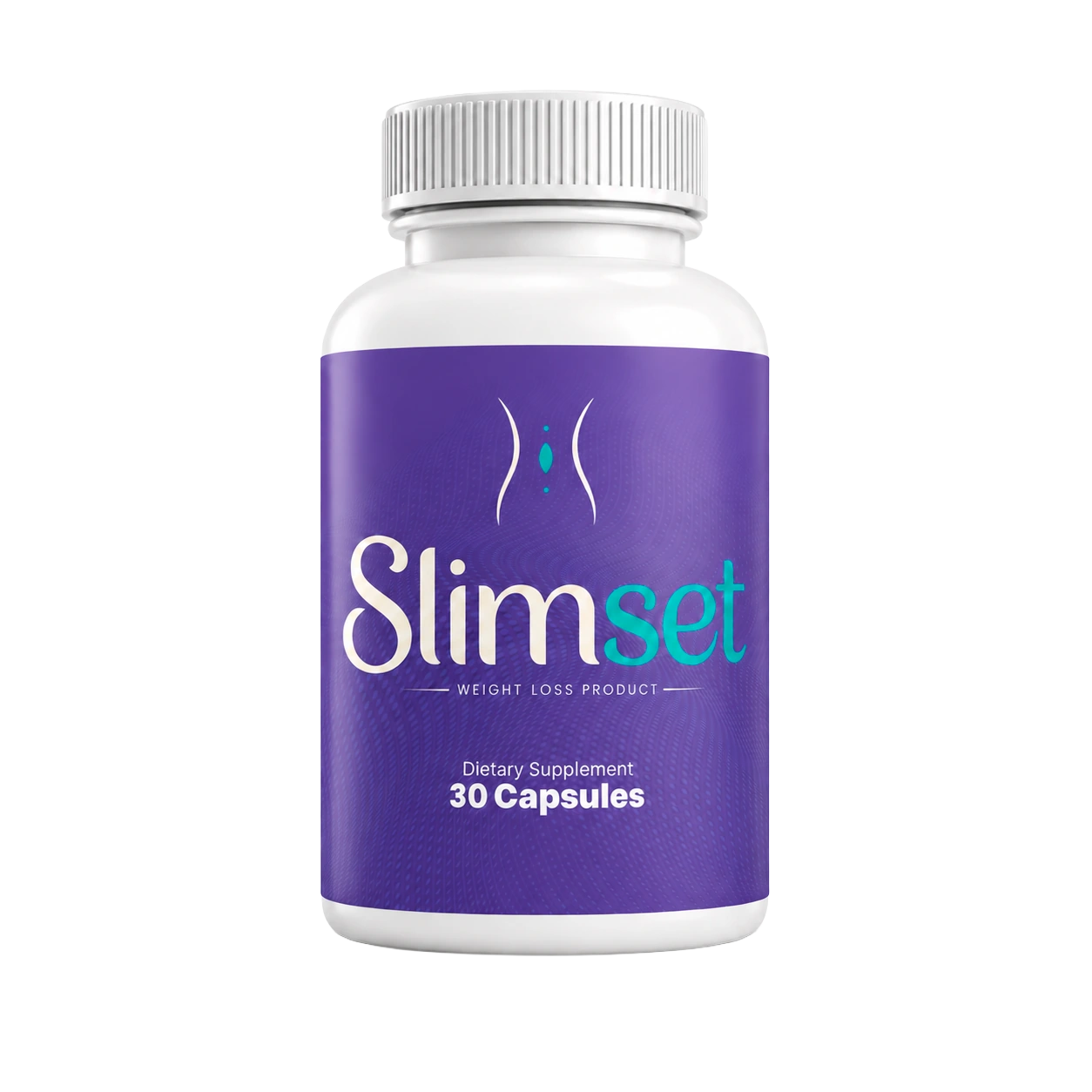
138 mg of caffeine anhydrous a capsule, one a day, 30 to a bottle, and 60 days to change your mind.
One bottle $89 · six bottles $294 · 60-day money-back guarantee
Order SlimSet On The Official WebsiteOne capsule a day · 30 per bottle · lot SLI-26/GE-8193