SlimSet Official Website › Metabolism supplement guide
Metabolism supplement guideMetabolism Supplement Guide: What The Evidence Shows
Across this shelf the honest summary is narrow. Caffeine raises resting metabolic rate by a few per cent for a few hours, and that is the best-measured effect in the category. Green tea catechins, chlorogenic acids and hydroxycitric acid have all been trialled at amounts far above what capsules carry, with results that range from small to nothing.
Five ingredients, and for each one the amount that produced the finding its name borrows.
What these products are actually sold to do
One measurable quantity, two that are much harder to pin down.
The promise on this shelf is almost always some combination of three things: a faster metabolism, less appetite, and more energy through the afternoon. Only the first of those is a measurable quantity with a standard laboratory method behind it, and it is the one worth understanding first, because every other claim on the shelf borrows its credibility.
Resting metabolic rate is the energy a body spends doing nothing: breathing, pumping blood, holding a temperature. For most adults it is somewhere between 1,300 and 1,800 kilocalories a day and it accounts for the majority of what anyone burns. Measuring a change in it means putting somebody under a ventilated hood or in a whole-room calorimeter and reading their gas exchange, which is why the trials that do it are small and short.
That method matters to a buyer for one reason. A measured rise in resting metabolic rate is a real physiological event and it is not the same event as a change on a bathroom scale. The gap between the two is where most of this category lives.
- Resting metabolic rate is roughly 60 to 75% of daily energy expenditure in a sedentary adult.
- A 3 to 4% rise in it is about 45 to 65 kilocalories a day — a slice of bread, not a meal.
- Trials measuring appetite use a laboratory meal and a visual scale, and their results are far noisier than the calorimetry.
Caffeine: the best evidence on the shelf, and the smallest number
What the calorimetry actually found, and what it comes to in calories.
Caffeine is the only ingredient in this category with a dose-response curve that different laboratories have reproduced. A 1989 study gave lean and post-obese volunteers 100 mg and measured resting metabolic rate rising 3 to 4% over the following 150 minutes. Repeating that dose every two hours across twelve hours raised daily energy expenditure by around 150 kilocalories in the lean group.
A 1990 double-blind study went further and ran 100, 200 and 400 mg against placebo, measuring thermogenesis, metabolic markers and cardiovascular response together. The thermogenic effect was dose-dependent. So, at the top of that range, were the heart rate and blood pressure readings, which is the part of the finding that tends to fall out of the marketing.
A 2009 comparison set caffeine against green tea and tyrosine on the same protocol and found caffeine the most reliable of the three at raising energy expenditure. When a 2019 dose-response meta-analysis pooled the weight outcomes rather than the calorimetry, the effect on body weight was present and modest.
Take the 3 to 4% figure at an ordinary resting metabolic rate and it comes to roughly 45 to 65 kilocalories a day, and only while the caffeine is circulating. That is a real effect, honestly measured, and it is about one third of a banana. Anyone whose diet moves by 200 kilocalories from one day to the next will never see it on a scale.
Two things the caffeine studies also found
Tolerance, sleep and blood pressure, from the same set of papers.
The same literature that supports caffeine sets its own limits, and both of them are practical rather than theoretical.
Tolerance is the first. The alertness effect of a daily dose fades within days in regular consumers, and a review of caffeine and human health covers how quickly habituation sets in across the effects that have been tracked. Somebody already drinking two coffees is in a different position from somebody who drinks none.
Sleep is the second, and it is the one that matters most to the outcome people are buying for. A 2013 trial gave 400 mg at zero, three and six hours before bed and found measurable disruption even at the six-hour point, when volunteers reported feeling unaffected. A 2017 review pooled the epidemiology and the trials and reached the same place.
- A daily ceiling is well established. A 2017 systematic review of caffeine safety supports roughly 400 mg a day for healthy adults, from every source combined.
- Blood pressure responds, and not equally in everybody. A 1998 workplace study recorded the rise across a working day; a 2010 study found the size of the response varies with sex, age and hormonal status.
- Capsules count towards the same ceiling as coffee. A 138 mg capsule is roughly a mug of filter coffee and belongs in place of one rather than on top of it.
Green tea catechins: the largest review, the flattest result
The mechanism work is real; the weight outcome is where it stops.
Green tea extract is standardised to its catechins, and to EGCG in particular. The rationale is genuine: a 2011 meta-analysis of catechin-rich teas taken with caffeine found the pair raising energy expenditure and fat oxidation together, which is why the two so often appear on the same panel.
The trouble arrives when the outcome is weight rather than gas exchange. The Cochrane review pooled twelve and thirteen-week randomised trials and reported a mean difference outside Japan of minus 0.04 kg, with a confidence interval comfortably spanning zero. An earlier 2009 meta-analysis had found a small effect, and the two are reconciled mostly by which trials each one was willing to include.
The amounts are the other half of the story. The 2007 thermogenesis pilot used 300 mg of EGCG in a single dose; a 2010 fat-oxidation pilot ran 300 mg a day; a 2005 chamber study gave 200 mg of EGCG with 200 mg of caffeine three times daily. A capsule carrying 130 mg of a 45% EGCG extract supplies 58.5 mg.
| What the trial used | How it was given | What it measured |
|---|---|---|
| 300 mg EGCG | single dose, obese men | thermogenesis and fat oxidation, hours |
| 300 mg EGCG a day | overweight and obese men | postprandial fat oxidation |
| 200 mg EGCG + 200 mg caffeine, three times a day | 24 hours in a respiration chamber | 24-hour energy expenditure |
| Various, 12–13 weeks | randomised, placebo-controlled | body weight: minus 0.04 kg outside Japan |
Amounts are of EGCG, not of extract. An extract weight without a percentage beside it cannot be placed in this table at all.
Green coffee bean: a retraction at the centre of the story
What the pooled trials said, what happened to the famous one, and what the assays found.
Green coffee bean extract is standardised to chlorogenic acids, and its reputation was built almost entirely on one trial. That 2012 crossover study is filed by PubMed as a Retracted Publication. It is the paper behind the television segment most people half-remember, and it no longer stands.
The 2011 meta-analysis that preceded it reported a pooled result of about minus 2.5 kg while judging every included trial at high risk of bias, and its authors said plainly that the evidence was not sufficient. That combination — an attractive pooled number sitting on trials the reviewers did not trust — is the honest summary of the weight literature here.
Chlorogenic acids do have a literature, and it points somewhere else. A 2006 trial gave 140 mg of chlorogenic acid a day for twelve weeks in essential hypertension and measured blood pressure; a 2018 trial ran 400 mg a day of extract for eight weeks in metabolic syndrome; a 2024 dose-response meta-analysis and a 2021 review of cardiovascular risk factors both pooled that side of the work.
A 2026 assay of commercial green coffee supplements measured chlorogenic acids and caffeine across twenty-three products and found mislabelling, including products declaring 50% chlorogenic acids in which none was detected. An earlier survey of commercial extracts had already found wide variation. A percentage on a box is a specification, and a specification is only as good as the testing behind it.
Garcinia and hydroxycitric acid: the trial that settled it
A properly dosed trial, a null result, and a case-report literature beside it.
Garcinia cambogia is standardised to hydroxycitric acid, and this ingredient has something the rest of the shelf mostly lacks: a large, well-run, adequately dosed trial that reported a clear answer. The 1998 JAMA trial gave 1,500 mg of hydroxycitric acid a day for twelve weeks to 135 overweight adults and found no separation from placebo on body weight or fat mass.
A 2011 meta-analysis of the randomised trials pooled a mean difference of about minus 0.88 kg and its authors described the clinical relevance as uncertain. Nobody has since run anything larger or longer that changes the picture.
There is also a safety literature, and it is unusual for a botanical of this popularity. Published case reports describe hepatotoxicity, acute liver failure, acute hepatitis, liver failure requiring transplantation, a further hepatotoxicity report, a 2025 case involving sideroblastic anaemia, and one psychiatric case report. Case reports establish a signal rather than a rate, and the rate is unknown.
- The dosed trial exists and it is the one to read. 1,500 mg of hydroxycitric acid a day, twelve weeks, 135 people, no separation from placebo.
- Capsule amounts sit far below it. A 130 mg row at 50% hydroxycitric acid supplies 65 mg, which is roughly 4% of the trial amount.
- The liver signal is real and its size is unmeasured. The AASLD practice guidance on supplement-induced liver injury is the reference a clinician would reach for.
Raspberry ketone: an ingredient with no human trial
One mouse study, one combination trial, and no isolated human data.
Raspberry ketone is the aroma compound that makes a raspberry smell of raspberry, and it reached this shelf on the strength of a 2005 rodent study in which mice were fed diets containing raspberry ketone at 0.5 to 2% of total intake for ten weeks. Scaled to a person, those proportions are nothing a capsule could approach.
A search of the human literature for an isolated randomised trial of raspberry ketone returns none. The nearest thing is a 2018 trial of a multi-ingredient supplement taken alongside exercise and a diet, in which raspberry ketone was one component among several. A combination trial measures a combination.
This is not a safety warning and it should not be read as one. It is an absence of evidence in either direction, and the only correct way to describe a row like it on a label is to say so.
| What exists | What it studied | What it cannot tell a buyer |
|---|---|---|
| A 2005 rodent study | mice fed 0.5–2% of the diet, ten weeks | whether any human amount does anything |
| A 2018 combination trial | a multi-ingredient product with exercise and diet | what the ketone contributed on its own |
| No isolated human randomised trial | — | there is no dose to compare a label row against |
This is the whole human and animal evidence base as it stands, not a selection from it.
Why every label on this shelf says “supports”
One line of law behind the vocabulary of every box on the shelf.
Dietary supplements in the United States may carry structure and function claims. They may not claim to diagnose, treat, cure or prevent a disease, and obesity is a disease. That single line of law is why an entire shelf of products is described in the language of support rather than the language of results.
It also explains a disclaimer buyers scroll past. The sentence about statements not having been evaluated by the Food and Drug Administration is a legal requirement attached to the claim, not a footnote the manufacturer chose to add.
The practical consequence is worth stating plainly. A label that promises a quantity of weight lost is making a claim it is not entitled to make, and a seller willing to break that rule in public is telling you something about everything else it prints.
Read the claim and then read the panel. If the strongest sentence on the box is a support claim and the panel prints an amount against every row, the label is doing its job. If the box promises an outcome and the panel hides behind a proprietary blend, those two facts belong together in your reading of it.
The whole shelf in one table
Five ingredients, the best evidence for each, and the amount that produced it.
| Ingredient | Best available evidence | Amount that evidence used |
|---|---|---|
| Caffeine anhydrous | Reproduced rise in resting metabolic rate; dose-dependent; modest pooled weight effect | 100 mg single; 100, 200 and 400 mg dose-response |
| Green tea catechins (EGCG) | Thermogenesis and fat oxidation in pilots; minus 0.04 kg in the Cochrane review outside Japan | 300 mg EGCG in the pilots; 200 mg with caffeine in the chamber |
| Chlorogenic acids (green coffee) | Pooled weight result from trials the reviewers judged at high risk of bias; the landmark trial is retracted; blood pressure work is the sturdier strand | 140 mg CGA a day for 12 weeks; 400 mg extract a day for 8 weeks |
| Hydroxycitric acid (garcinia) | Null result in a 135-person, 12-week trial; pooled minus 0.88 kg of uncertain relevance; case reports of liver injury | 1,500 mg HCA a day for 12 weeks |
| Raspberry ketone | A rodent feeding study and one combination trial | no human amount established |
Every row is the literature for the INGREDIENT. No finished multi-ingredient capsule in this category has been trialled, including the one sold on this website.
Read down the right-hand column and the pattern is the point. The amounts that produced these findings are generally several times what a capsule carries, and where a capsule does reach a researched amount, it is almost always the caffeine.
That is exactly the shape of the panel this website sells. The supplement facts page prints all five rows as the bottle prints them, and the ingredients page sets each amount beside the amount its own trials used. The companion scorecard turns all of this into seven checks and then applies them here.
Who publishes this SlimSet website?
- Onakpoya I, Terry R, Ernst E. The use of green coffee extract as a weight loss supplement: a systematic review and meta-analysis of randomised clinical trials. Gastroenterol Res Pract. 2011;2011:382852. PMID 20871849. https://pubmed.ncbi.nlm.nih.gov/20871849/
- Vinson JA, Burnham BR, Nagendran MV. Randomized, double-blind, placebo-controlled, linear dose, crossover study to evaluate the efficacy and safety of a green coffee bean extract in overweight subjects. Diabetes Metab Syndr Obes. 2012;5:21-7. Retracted Publication. PMID 22291473. https://pubmed.ncbi.nlm.nih.gov/22291473/
- Otaif KD, Adawi HA, Alfaifi FM, et al. Chlorogenic acids and caffeine in commercial green coffee bean extract supplements: quantitative assessment and evidence of mislabelling. Food Addit Contam Part A. 2026;43(6):806-818. PMID 42154619. https://pubmed.ncbi.nlm.nih.gov/42154619/
- Vinson JA, Chen X, Garver DD. Determination of Total Chlorogenic Acids in Commercial Green Coffee Extracts. J Med Food. 2019;22(3):314-320. PMID 30888913. https://pubmed.ncbi.nlm.nih.gov/30888913/
- Watanabe T, Arai Y, Mitsui Y, et al. The blood pressure-lowering effect and safety of chlorogenic acid from green coffee bean extract in essential hypertension. Clin Exp Hypertens. 2006;28(5):439-49. PMID 16820341. https://pubmed.ncbi.nlm.nih.gov/16820341/
- Roshan H, Nikpayam O, Sedaghat M, Sohrab G. Effects of green coffee extract supplementation on anthropometric indices, glycaemic control, blood pressure, lipid profile, insulin resistance and appetite in patients with the metabolic syndrome: a randomised clinical trial. Br J Nutr. 2018;119(3):250-258. PMID 29307310. https://pubmed.ncbi.nlm.nih.gov/29307310/
- Samavat S, Kaviani M, Nikooyeh B, et al. The effects of green coffee bean extract on blood pressure and heart rate: A systematic review and dose-response meta-analysis of randomized controlled trials. Diabetes Metab Syndr. 2024;18(9):103120. PMID 39368321. https://pubmed.ncbi.nlm.nih.gov/39368321/
- Pourmasoumi M, Hadi A, Marx W, et al. The Effect of Green Coffee Bean Extract on Cardiovascular Risk Factors: A Systematic Review and Meta-analysis. Adv Exp Med Biol. 2021;1328:323-345. PMID 34981487. https://pubmed.ncbi.nlm.nih.gov/34981487/
- Heymsfield SB, Allison DB, Vasselli JR, et al. Garcinia cambogia (hydroxycitric acid) as a potential antiobesity agent: a randomized controlled trial. JAMA. 1998;280(18):1596-600. PMID 9820262. https://pubmed.ncbi.nlm.nih.gov/9820262/
- Onakpoya I, Hung SK, Perry R, Wider B, Ernst E. The Use of Garcinia Extract (Hydroxycitric Acid) as a Weight loss Supplement: A Systematic Review and Meta-Analysis of Randomised Clinical Trials. J Obes. 2011;2011:509038. PMID 21197150. https://pubmed.ncbi.nlm.nih.gov/21197150/
- Yousaf MN, Chaudhary FS, Hodanazari SM, Sittambalam CD. Hepatotoxicity associated with Garcinia cambogia: A case report. World J Hepatol. 2019;11(11):735-742. PMID 31772720. https://pubmed.ncbi.nlm.nih.gov/31772720/
- Lunsford KE, Bodzin AS, Reino DC, Wang HL, Busuttil RW. Dangerous dietary supplements: Garcinia cambogia-associated hepatic failure requiring transplantation. World J Gastroenterol. 2016;22(45):10071-10076. PMID 28018115. https://pubmed.ncbi.nlm.nih.gov/28018115/
- Corey R, Werner KT, Singer A, et al. Acute liver failure associated with Garcinia cambogia use. Ann Hepatol. 2016;15(1):123-6. PMID 26626648. https://pubmed.ncbi.nlm.nih.gov/26626648/
- Sharma A, Akagi E, Njie A, et al. Acute Hepatitis due to Garcinia Cambogia Extract, an Herbal Weight Loss Supplement. Case Rep Gastrointest Med. 2018;2018:9606171. PMID 30147968. https://pubmed.ncbi.nlm.nih.gov/30147968/
- Mas Ordeig A, Sanchez Hernandez J. Hepatotoxicity caused by Garcinia cambogia. Gastroenterol Hepatol. 2020;43(3):134-135. PMID 31879192. https://pubmed.ncbi.nlm.nih.gov/31879192/
- Tang K, Sonpavde P. Rare association between hepatotoxicity and sideroblastic anaemia after taking Garcinia cambogia-based dietary supplement. BMJ Case Rep. 2025;18(6). PMID 40555541. https://pubmed.ncbi.nlm.nih.gov/40555541/
- Nguyen DC, Timmer TK, Davison BC, McGrane IR. Possible Garcinia cambogia-Induced Mania With Psychosis: A Case Report. J Pharm Pract. 2019;32(1):99-102. PMID 28982303. https://pubmed.ncbi.nlm.nih.gov/28982303/
- Jurgens TM, Whelan AM, Killian L, Doucette S, Kirk S, Foy E. Green tea for weight loss and weight maintenance in overweight or obese adults. Cochrane Database Syst Rev. 2012;12(12):CD008650. PMID 23235664. https://pubmed.ncbi.nlm.nih.gov/23235664/
- Hursel R, Viechtbauer W, Westerterp-Plantenga MS. The effects of green tea on weight loss and weight maintenance: a meta-analysis. Int J Obes (Lond). 2009;33(9):956-61. PMID 19597519. https://pubmed.ncbi.nlm.nih.gov/19597519/
- Hursel R, Viechtbauer W, Dulloo AG, et al. The effects of catechin rich teas and caffeine on energy expenditure and fat oxidation: a meta-analysis. Obes Rev. 2011;12(7):e573-81. PMID 21366839. https://pubmed.ncbi.nlm.nih.gov/21366839/
- Boschmann M, Thielecke F. The effects of epigallocatechin-3-gallate on thermogenesis and fat oxidation in obese men: a pilot study. J Am Coll Nutr. 2007;26(4):389S-395S. PMID 17906192. https://pubmed.ncbi.nlm.nih.gov/17906192/
- Thielecke F, Rahn G, Bohnke J, et al. Epigallocatechin-3-gallate and postprandial fat oxidation in overweight/obese male volunteers: a pilot study. Eur J Clin Nutr. 2010;64(7):704-13. PMID 20372175. https://pubmed.ncbi.nlm.nih.gov/20372175/
- Berube-Parent S, Pelletier C, Dore J, Tremblay A. Effects of encapsulated green tea and Guarana extracts containing a mixture of epigallocatechin-3-gallate and caffeine on 24 h energy expenditure and fat oxidation in men. Br J Nutr. 2005;94(3):432-6. PMID 16176615. https://pubmed.ncbi.nlm.nih.gov/16176615/
- Fontana RJ, Liou I, Reuben A, et al. AASLD practice guidance on drug, herbal, and dietary supplement-induced liver injury. Hepatology. 2023;77(3):1036-1065. PMID 35899384. https://pubmed.ncbi.nlm.nih.gov/35899384/
- Morimoto C, Satoh Y, Hara M, Inoue S, Tsujita T, Okuda H. Anti-obese action of raspberry ketone. Life Sci. 2005;77(2):194-204. PMID 15862604. https://pubmed.ncbi.nlm.nih.gov/15862604/
- Arent SM, Walker AJ, Pellegrino JK, et al. The Combined Effects of Exercise, Diet, and a Multi-Ingredient Dietary Supplement on Body Composition and Adipokine Changes in Overweight Adults. J Am Coll Nutr. 2018;37(2):111-120. PMID 29111889. https://pubmed.ncbi.nlm.nih.gov/29111889/
- Dulloo AG, Geissler CA, Horton T, Collins A, Miller DS. Normal caffeine consumption: influence on thermogenesis and daily energy expenditure in lean and postobese human volunteers. Am J Clin Nutr. 1989;49(1):44-50. PMID 2912010. https://pubmed.ncbi.nlm.nih.gov/2912010/
- Astrup A, Toubro S, Cannon S, Hein P, Breum L, Madsen J. Caffeine: a double-blind, placebo-controlled study of its thermogenic, metabolic, and cardiovascular effects in healthy volunteers. Am J Clin Nutr. 1990;51(5):759-67. PMID 2333832. https://pubmed.ncbi.nlm.nih.gov/2333832/
- Tabrizi R, Saneei P, Lankarani KB, et al. The effects of caffeine intake on weight loss: a systematic review and dose-response meta-analysis of randomized controlled trials. Crit Rev Food Sci Nutr. 2019;59(16):2688-2696. PMID 30335479. https://pubmed.ncbi.nlm.nih.gov/30335479/
- Belza A, Toubro S, Astrup A. The effect of caffeine, green tea and tyrosine on thermogenesis and energy intake. Eur J Clin Nutr. 2009;63(1):57-64. PMID 17882140. https://pubmed.ncbi.nlm.nih.gov/17882140/
- Wikoff D, Welsh BT, Henderson R, et al. Systematic review of the potential adverse effects of caffeine consumption in healthy adults, pregnant women, adolescents, and children. Food Chem Toxicol. 2017;109(Pt 1):585-648. PMID 28438661. https://pubmed.ncbi.nlm.nih.gov/28438661/
- Nawrot P, Jordan S, Eastwood J, Rotstein J, Hugenholtz A, Feeley M. Effects of caffeine on human health. Food Addit Contam. 2003;20(1):1-30. PMID 12519715. https://pubmed.ncbi.nlm.nih.gov/12519715/
- Drake C, Roehrs T, Shambroom J, Roth T. Caffeine effects on sleep taken 0, 3, or 6 hours before going to bed. J Clin Sleep Med. 2013;9(11):1195-200. PMID 24235903. https://pubmed.ncbi.nlm.nih.gov/24235903/
- Clark I, Landolt HP. Coffee, caffeine, and sleep: A systematic review of epidemiological studies and randomized controlled trials. Sleep Med Rev. 2017;31:70-78. PMID 26899133. https://pubmed.ncbi.nlm.nih.gov/26899133/
- Lane JD, Pieper CF, Barefoot JC, Williams RB Jr, Siegler IC. Caffeine raises blood pressure at work. Psychosom Med. 1998;60(3):327-30. PMID 9625220. https://pubmed.ncbi.nlm.nih.gov/9625220/
- Farag NH, Vincent AS, McKey BS, et al. Caffeine and blood pressure response: sex, age, and hormonal status. J Womens Health (Larchmt). 2010;19(6):1171-6. PMID 20500126. https://pubmed.ncbi.nlm.nih.gov/20500126/
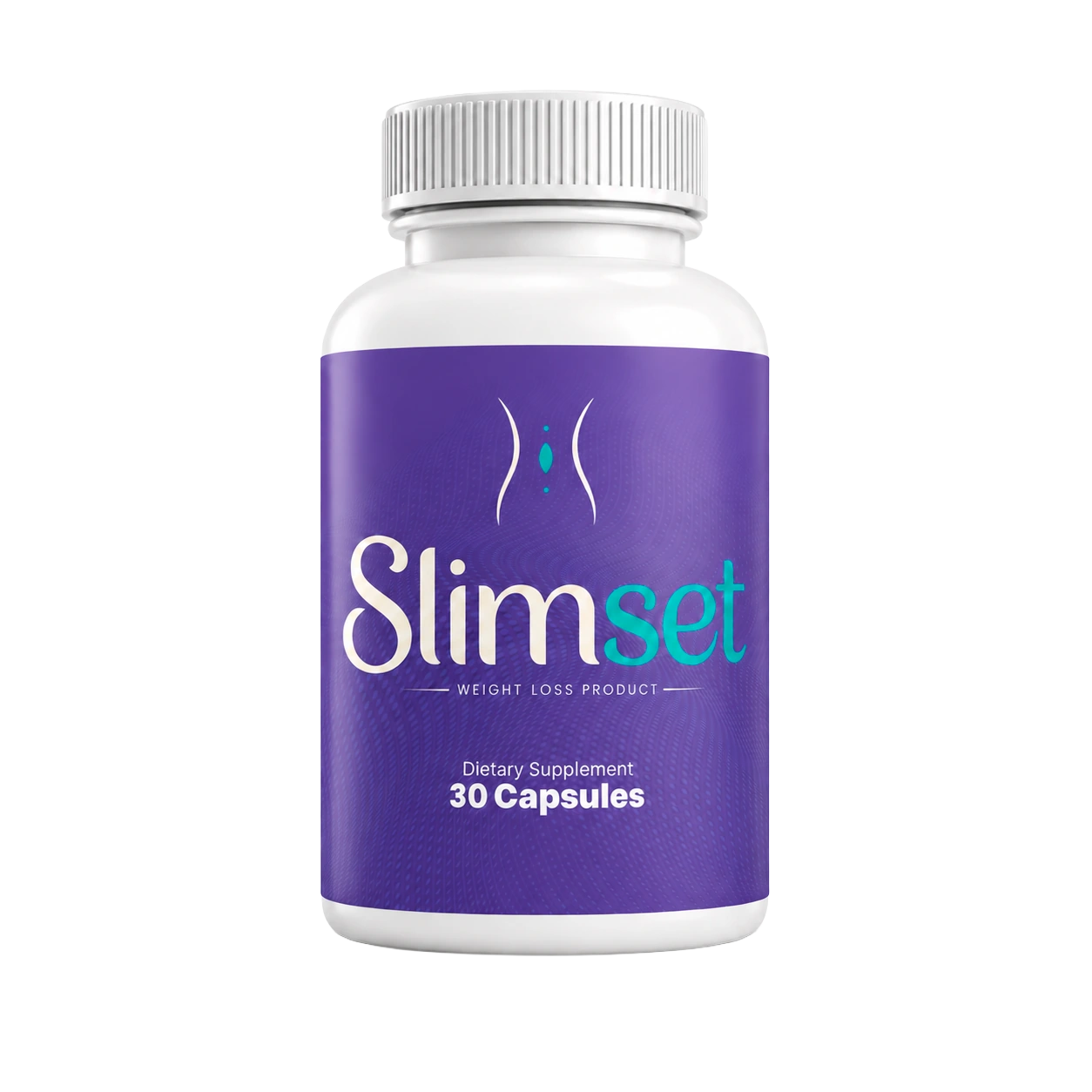
See how the SlimSet panel reads against this guide
Five actives, a milligram figure against every one, 658 mg declared in total and 138 mg of it caffeine anhydrous. 60 days from purchase to change your mind.
One bottle $89 · six bottles $294 · 60-day money-back guarantee
Order SlimSet On The Official WebsiteOne capsule a day · 30 per bottle · lot SLI-26/GE-8193