SlimSet Official Website › Blog › What A Percentage Means
130 mg At 50%: What A Percentage On A Label Means
A standardisation percentage is the most useful thing on a botanical panel and the easiest to walk past. It converts a weight of plant extract into a weight of the compound that was actually studied, and the two numbers can differ by half.
- A botanical extract is plant material concentrated for one group of compounds. The percentage says how concentrated.
- 130 mg of a 50% extract supplies 65 mg of the marker compound, and 65 mg is the number to compare with research.
- Trials are almost always reported in compound weight, not extract weight.
- An extract weight with no percentage beside it cannot be compared with any trial, however large the number looks.
- A proprietary blend removes even the extract weight, which ends the comparison entirely.
What an extract actually is
Whole plant material is mostly things nobody is interested in: fibre, starch, water, structural compounds. An extract is what you get when that material is treated with a solvent chosen to pull out one group of compounds, and the rest is discarded.
The result is a powder that is far richer in the target compounds than the plant was. How much richer is the whole question, and it varies enormously between manufacturers, growing seasons and extraction methods. Two bags of green tea extract from two suppliers can differ twofold in what they contain.
Standardisation is the answer to that variability. A standardised extract is one the manufacturer has adjusted and tested to hit a stated concentration of a named marker compound. That stated concentration is the percentage in the brackets on a panel.
What the bracket is telling you
Read “Green Tea Extract (Camellia sinensis) (leaf) (45% EGCG)” as four separate disclosures rather than one long name.
The first is the common name. The second, in Latin, is the species, which matters because common names are shared between plants that are not related. The third is the part of the plant, which matters because a root and a leaf are chemically different raw materials. The fourth is the standardisation, and it is the one that makes arithmetic possible.
The one calculation worth learning
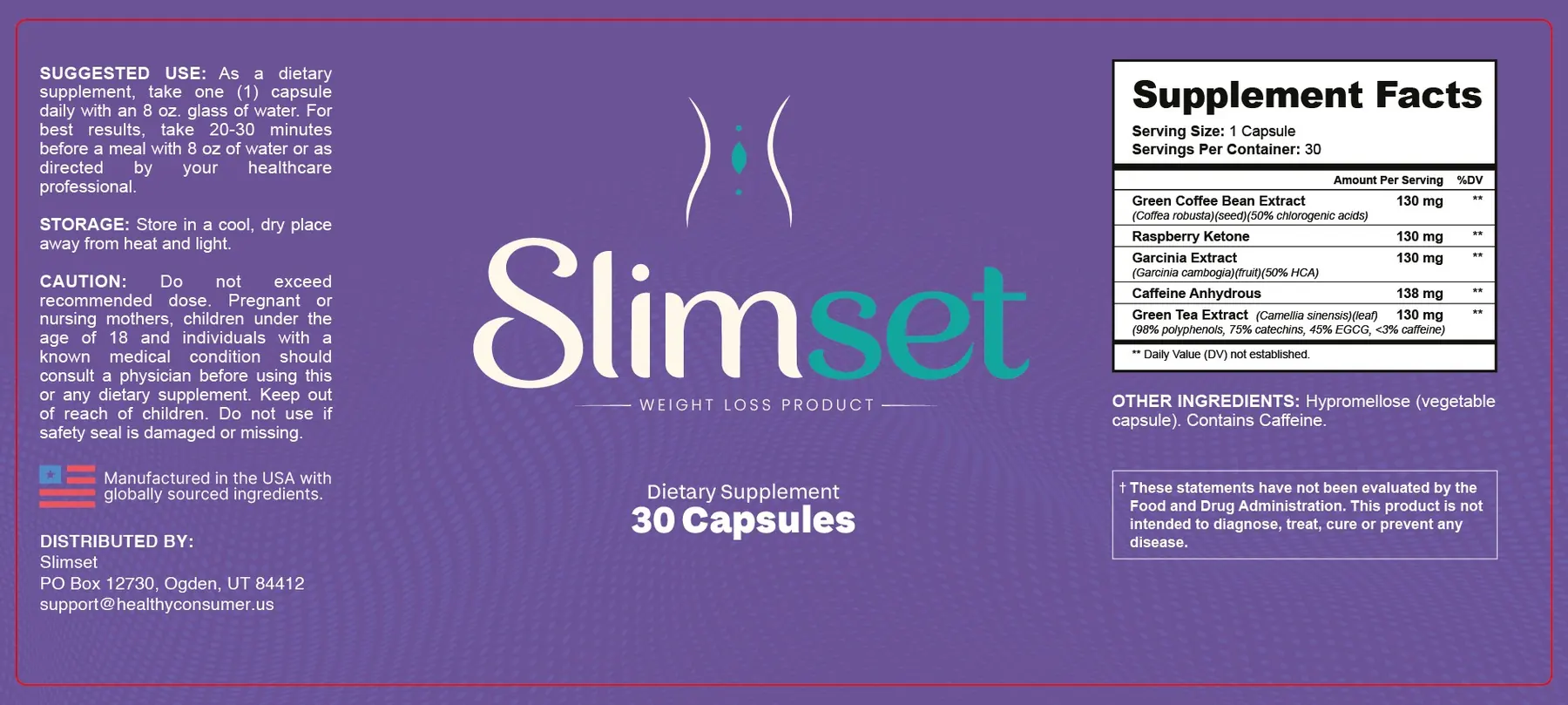
Multiply the weight by the percentage. That is all of it. 130 mg at 45% is 58.5 mg of EGCG. 130 mg at 50% is 65 mg of the marker. The answer is the number that can be set beside a trial, and the extract weight above it cannot.
The multiplication, done for this panel
This label prints both halves of that sum on three of its five rows, which is more than a good deal of the shelf manages. What it does not do is finish the sum, so here it is finished.
| Panel row | Standardisation printed | Compound weight | What a trial used |
|---|---|---|---|
| Green Coffee Bean Extract 130 mg | 50% chlorogenic acids | 65 mg chlorogenic acids | 140 mg of chlorogenic acid a day for twelve weeks |
| Garcinia Extract 130 mg | 50% HCA | 65 mg hydroxycitric acid | 1,500 mg of hydroxycitric acid a day for twelve weeks |
| Green Tea Extract 130 mg | 45% EGCG | 58.5 mg EGCG | 300 mg of EGCG in the thermogenesis pilots |
| Raspberry Ketone 130 mg | none printed; the compound is the ingredient | 130 mg | no human amount exists |
| Caffeine Anhydrous 138 mg | none needed; the compound is the ingredient | 138 mg | 100–400 mg across the dose-response work |
Every figure in the third column is the second column applied to the first. The label prints both numbers; the multiplication is the reader's to do.
Two things fall out of that table immediately. The first is that the compound weights are roughly half the printed weights, which is what a 50% standardisation means and is not a criticism of anything.
The second is the right-hand column. The 1998 trial of hydroxycitric acid used 1,500 mg a day for twelve weeks in 135 people and found no separation from placebo; this row supplies 65 mg. The 2007 thermogenesis pilot used 300 mg of EGCG; this row supplies 58.5 mg. Those gaps are the reason the arithmetic is worth doing.
Why trials report compound weight
A trial that reported “500 mg of green tea extract” would be almost impossible for anyone else to repeat, because the next laboratory's extract would contain something different. Reporting the compound weight makes the work reproducible, which is the whole point of publishing it.
The Cochrane review of green tea pooled twelve and thirteen-week randomised trials and reported a mean difference outside Japan of minus 0.04 kg. Assembling a review like that at all depends on the included trials describing their preparations in comparable units.
A survey of commercial green coffee extracts went the other way and measured what was actually in products on sale. The variation it found is the reason a percentage on a box is a specification rather than a guarantee, and the reason certificates of analysis exist at all.
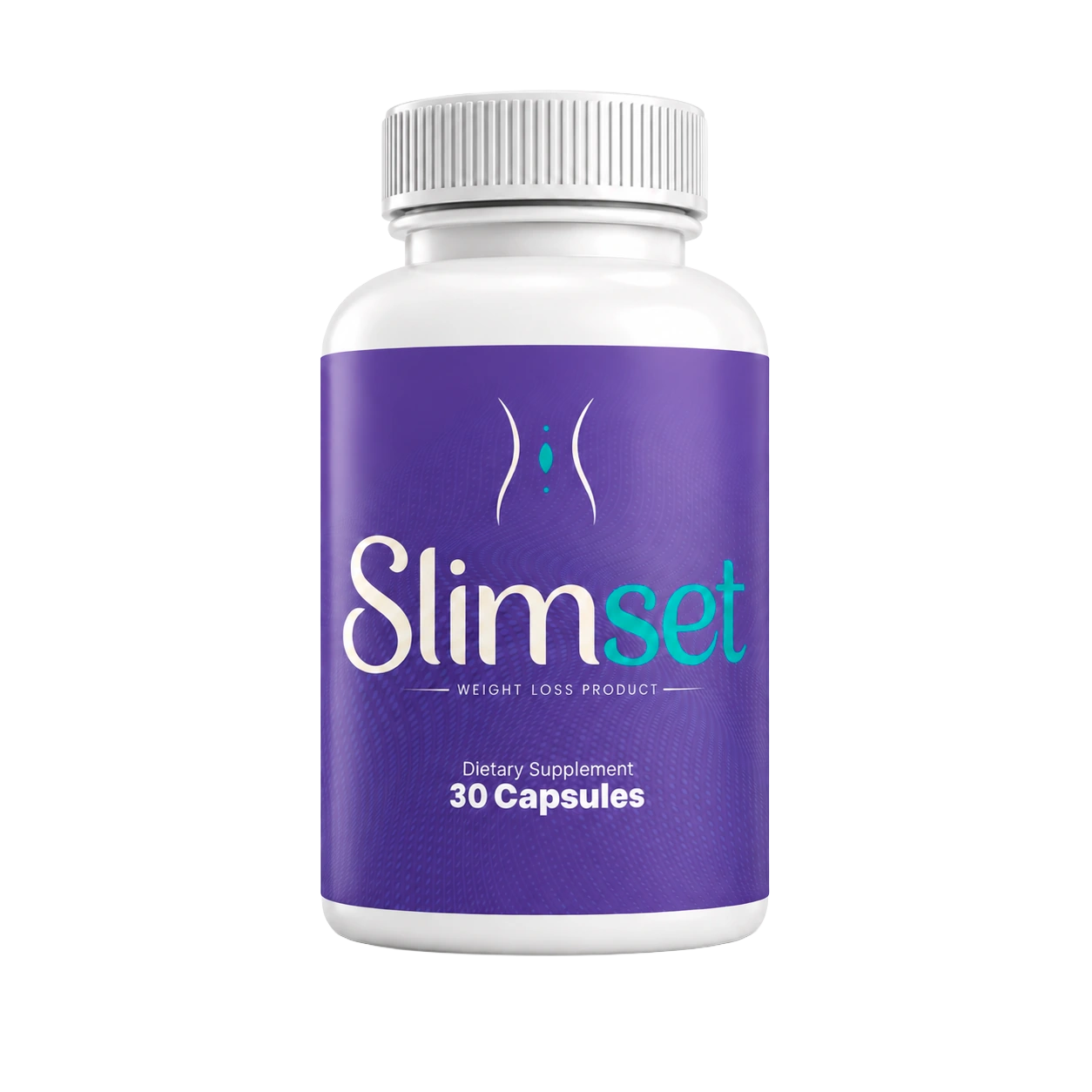
Read the SlimSet panel with the arithmetic already done
Five rows, a milligram figure against each and a standardisation against three. 658 mg declared in total, one capsule a day, 60 days from purchase to change your mind.
One bottle $89 · six bottles $294 · 60-day money-back guarantee
Order SlimSet On The Official WebsiteOne capsule a day · 30 per bottle · lot SLI-26/GE-8193
A bigger number with less information in it
The most common way a label looks more generous than it is: a large extract weight with no percentage beside it.
| What a label says | What can be worked out | What cannot |
|---|---|---|
| Green tea extract 500 mg | the weight of extract in the capsule | how much EGCG that is, so no trial can be compared with it |
| Green tea extract 130 mg, 45% EGCG | 58.5 mg of EGCG | nothing further; this row is fully specified |
| Proprietary blend 850 mg | the weight of everything combined | any single ingredient's amount, by anyone, including the seller's customers |
| Garcinia cambogia fruit extract 130 mg, 50% HCA | 65 mg of hydroxycitric acid | nothing further; species, part, weight and percentage are all present |
A bigger number on a panel is not more disclosure. The second and fourth rows above are smaller and far more informative than the first.
- 500 mg with no percentage could be a 5% extract or a 50% one. The buyer has no way to tell and neither does anyone reading it over their shoulder.
- 130 mg at 45% EGCG is fully specified. It is a smaller number carrying strictly more information.
- A proprietary blend gives one total for several ingredients, which is legal and which makes every ingredient inside it uncheckable.
- Species and plant part matter for the same reason: without them the right research cannot be found, only research about a plant with a similar name.
The step a percentage still cannot cover
Knowing how many milligrams of a compound went into a capsule is not the same as knowing how much of it reaches the bloodstream, and this is where even a well-specified row runs out of information.
A 2020 review of chlorogenic acid absorption describes what happens to these compounds after swallowing: extensive metabolism, considerable person-to-person variation, and a set of circulating metabolites that is not simply the compound that was eaten. The label weight is the starting point of that process rather than a description of it.
This is one reason a label instruction can be more meaningful than it looks. Taking a capsule before a meal rather than with one changes the conditions in which its contents are absorbed, which is a plausible reason for the timing this bottle asks for.
Four rows, four different disclosures
Applied back to the panel in front of us, the five rows sort into four situations, and recognising which is which is the skill worth taking to any other bottle.
- Extract with a percentage. Green coffee and garcinia, both at 50%. Multiply and compare.
- Extract with several percentages. Green tea, standardised on polyphenols, catechins and EGCG together, with a caffeine ceiling as well. The most informative row here.
- An isolated compound. Caffeine anhydrous. The weight is the compound weight; no arithmetic needed.
- A named compound with no trial behind it. Raspberry ketone at 130 mg. The number is exact and there is no human amount anywhere to compare it against.
The fourth case is the one people find hardest, because the row looks as precise as the others. Precision on a label and evidence behind an ingredient are separate things, and a separate article takes that row on its own.
Taking this to the next label you read
None of this is specific to one brand. Four questions sort a botanical panel in about a minute.
- Is there a weight against every active, or is there a blend total?
- Is a standardisation percentage printed beside each botanical weight?
- Are the species and the plant part named?
- What does the multiplication give, and how does that compare with the trial the ingredient's reputation comes from?
Run those four on this panel and it answers three cleanly. The scorecard guide turns the same idea into seven checks and then applies them here, and the ingredients page sets every row beside the amount its own research used.
A dietary supplement for healthy adults of 18 and over, not a medicine and not FDA-approved. The bottle prints no support claim of any kind. Appetite control, everyday fat metabolism and steady energy are lines from the seller’s sales page, attributed there wherever this website repeats them. Doing the arithmetic on a panel does not change what the panel is entitled to claim.
References
- Vinson JA, Chen X, Garver DD. Determination of Total Chlorogenic Acids in Commercial Green Coffee Extracts. J Med Food. 2019;22(3):314-320. PMID 30888913. https://pubmed.ncbi.nlm.nih.gov/30888913/
- Clifford MN, Kerimi A, Williamson G. Bioavailability and metabolism of chlorogenic acids (acyl-quinic acids) in humans. Compr Rev Food Sci Food Saf. 2020;19(4):1299-1352. PMID 33337099. https://pubmed.ncbi.nlm.nih.gov/33337099/
- Boschmann M, Thielecke F. The effects of epigallocatechin-3-gallate on thermogenesis and fat oxidation in obese men: a pilot study. J Am Coll Nutr. 2007;26(4):389S-395S. PMID 17906192. https://pubmed.ncbi.nlm.nih.gov/17906192/
- Heymsfield SB, Allison DB, Vasselli JR, et al. Garcinia cambogia (hydroxycitric acid) as a potential antiobesity agent: a randomized controlled trial. JAMA. 1998;280(18):1596-600. PMID 9820262. https://pubmed.ncbi.nlm.nih.gov/9820262/
- Jurgens TM, Whelan AM, Killian L, Doucette S, Kirk S, Foy E. Green tea for weight loss and weight maintenance in overweight or obese adults. Cochrane Database Syst Rev. 2012;12(12):CD008650. PMID 23235664. https://pubmed.ncbi.nlm.nih.gov/23235664/