SlimSet Official Website › Blog › Chlorogenic Acid And Carbohydrate Absorption
Chlorogenic Acid And Carbohydrate Absorption: The Mechanism Behind The Green Coffee Row
The green coffee bean row on this panel is standardised at 50% chlorogenic acids, printed the same way a dose is printed on a medicine. That standardisation exists because of a specific biological idea — that chlorogenic acid slows how fast sugar crosses into the bloodstream. Here is where that idea comes from, tested in a cell line and in two human trials that disagree with each other.
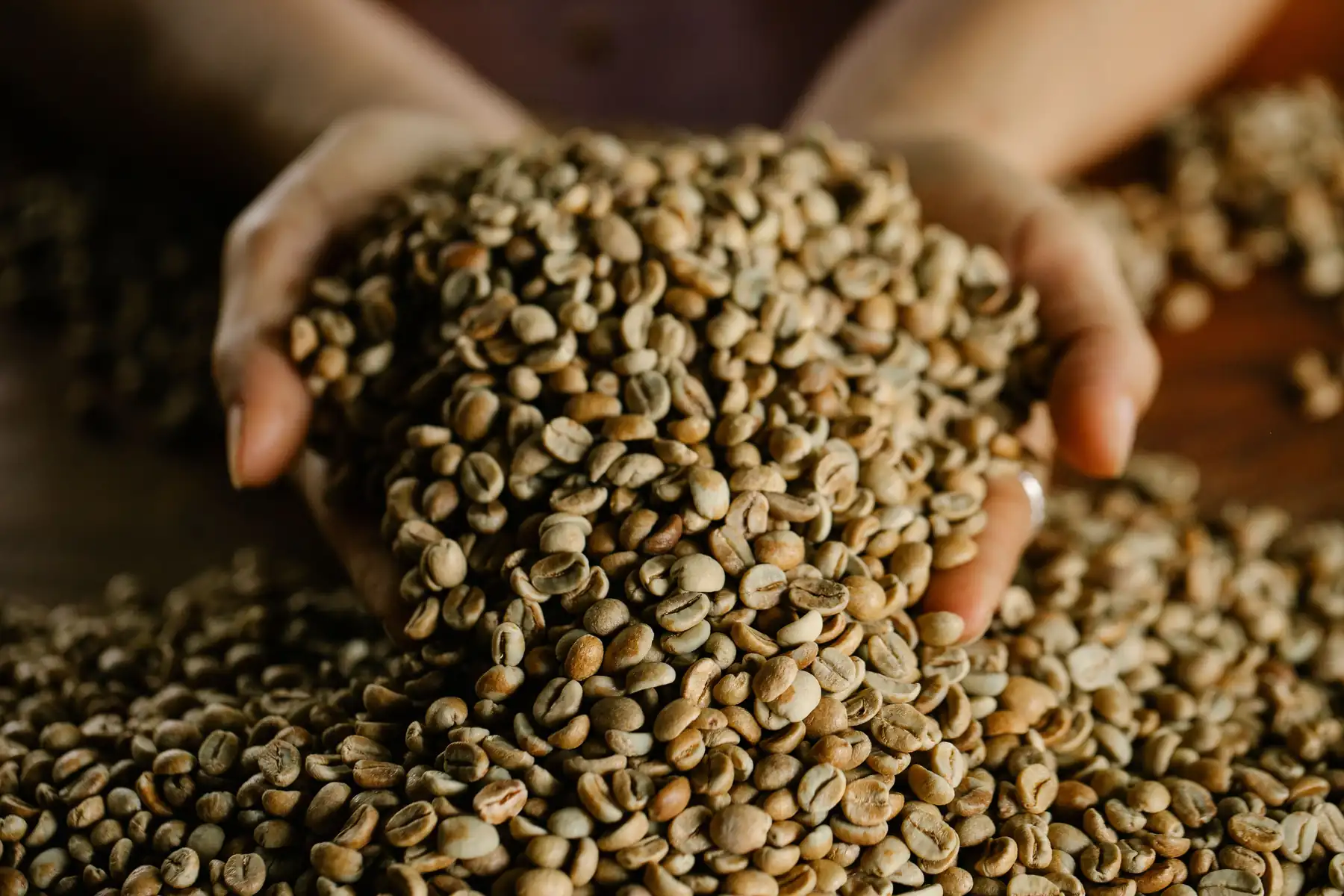
- Chlorogenic acid is abundant in green, unroasted coffee and largely destroyed by roasting — the reason this row is green coffee, not regular coffee.
- A 2022 cell-culture study found coffee extracts cut sugar uptake by reducing the GLUT2 transporter gene, with green coffee working best.
- A 2003 human trial found decaffeinated coffee shifted gut hormones in a pattern consistent with slower intestinal glucose absorption.
- The same 2003 trial found caffeinated coffee raised blood glucose and insulin faster in the first 30 minutes — caffeine and chlorogenic acid pull in opposite directions.
- A 2011 human trial of purified chlorogenic acid alone found no effect on the incretin hormones GLP-1 or GIP.
What this row is standardised for, and why
The green coffee bean row on this label carries a printed standardisation: 50% chlorogenic acids. That single number is doing a lot of work. Chlorogenic acid is a polyphenol present at high levels in raw coffee beans and lost in large part during roasting, which is the actual reason a green coffee extract exists as a distinct ingredient category rather than simply being ground roasted coffee in a capsule. Roasted coffee still contains some chlorogenic acid, but nowhere near the concentration a standardised green extract can guarantee.
The idea behind including it in a weight-management formula is specific and testable: that chlorogenic acid interferes with how quickly glucose crosses from the gut into the bloodstream after a carbohydrate-containing meal. A slower rise in blood glucose is generally considered favourable, both for appetite regulation and for the insulin response that follows a meal. That is a mechanistic hypothesis, and mechanistic hypotheses either survive contact with a cell line and a human trial or they do not.
The mechanism in a cell: GLUT2 and GLUT5
A 2022 study published in Foods worked directly with Caco-2 cells, a human intestinal epithelial cell line standardly used to model how the gut absorbs nutrients. The researchers prepared extracts from green coffee beans, roasted beans and coffee silverskin, then measured how much labelled glucose and fructose the cells took up, alongside the expression of the genes for two sugar transporters: GLUT2, which moves both glucose and fructose, and GLUT5, which is specific to fructose.
All three extracts cut sugar uptake measurably. Green coffee, which also carried the highest chlorogenic acid content of the three, produced the largest effect. The mechanism the researchers identified was a marked drop in GLUT2 gene expression, with GLUT5 expression essentially unaffected — a specific finding, not a general toxic effect on the cells. The paper also reported a synergistic effect between caffeine and one particular chlorogenic acid isomer (5-CQA) on sugar uptake, meaning the two compounds together did more than either predicted alone.
This is laboratory evidence for a real, specific mechanism: chlorogenic acid-rich extracts can turn down a glucose transporter gene in human gut cells. It is not, on its own, proof that swallowing a capsule produces the same effect inside a living intestine, where digestion, dilution and absorption all intervene between a capsule and a cell culture dish.
The classic human trial: coffee, hormones and glucose
A 2003 trial in the American Journal of Clinical Nutrition is the paper most of the later chlorogenic-acid-and-glucose literature builds on. Nine healthy fasted volunteers drank 25 g of glucose in either water, caffeinated coffee, or decaffeinated coffee — the two coffees delivering an equivalent chlorogenic acid dose of about 2.5 mmol per litre — in a three-way randomised crossover, with blood drawn frequently over the following three hours.
After decaffeinated coffee, the researchers measured a fall in glucose-dependent insulinotropic polypeptide (GIP) secretion throughout the session and a rise in glucagon-like peptide 1 (GLP-1) secretion in the first two hours, compared with the water control. Both of those gut hormone shifts are consistent with glucose being absorbed more slowly and further down the intestine than usual — exactly the pattern the cell-culture mechanism above would predict from a GLUT2 slowdown.
Caffeine and chlorogenic acid pull in opposite directions
The same 2003 trial also produced a result that complicates a simple “green coffee lowers blood sugar” story: after caffeinated coffee, glucose and insulin concentrations were higher in the first 30 minutes than after either decaffeinated coffee or water. The authors describe this as consistent with caffeine’s own, separately documented metabolic effects, working against the chlorogenic acid signal rather than alongside it.
| Arm | Glucose & insulin, first 30 min | Gut hormone pattern, 0–120 min |
|---|---|---|
| Water (control) | reference | reference |
| Caffeinated coffee | higher glucose & insulin | not distinct from control |
| Decaffeinated coffee | not distinct from control | lower GIP, higher GLP-1 — consistent with delayed glucose absorption |
Nine healthy volunteers, three-way randomised crossover, 25 g glucose challenge. This capsule contains both caffeine and green coffee extract in the same dose, which is the combination this trial did not directly test.
This capsule carries both compounds at once — 138 mg of caffeine anhydrous and a chlorogenic-acid-standardised green coffee extract — a combination this particular trial did not test as a single arm. The honest reading is that the two ingredients on this panel have been shown, separately, to push blood glucose handling in different directions after a carbohydrate load, and nobody has published the net result of taking them together in a fasted state.
See the whole panel before you weigh one row
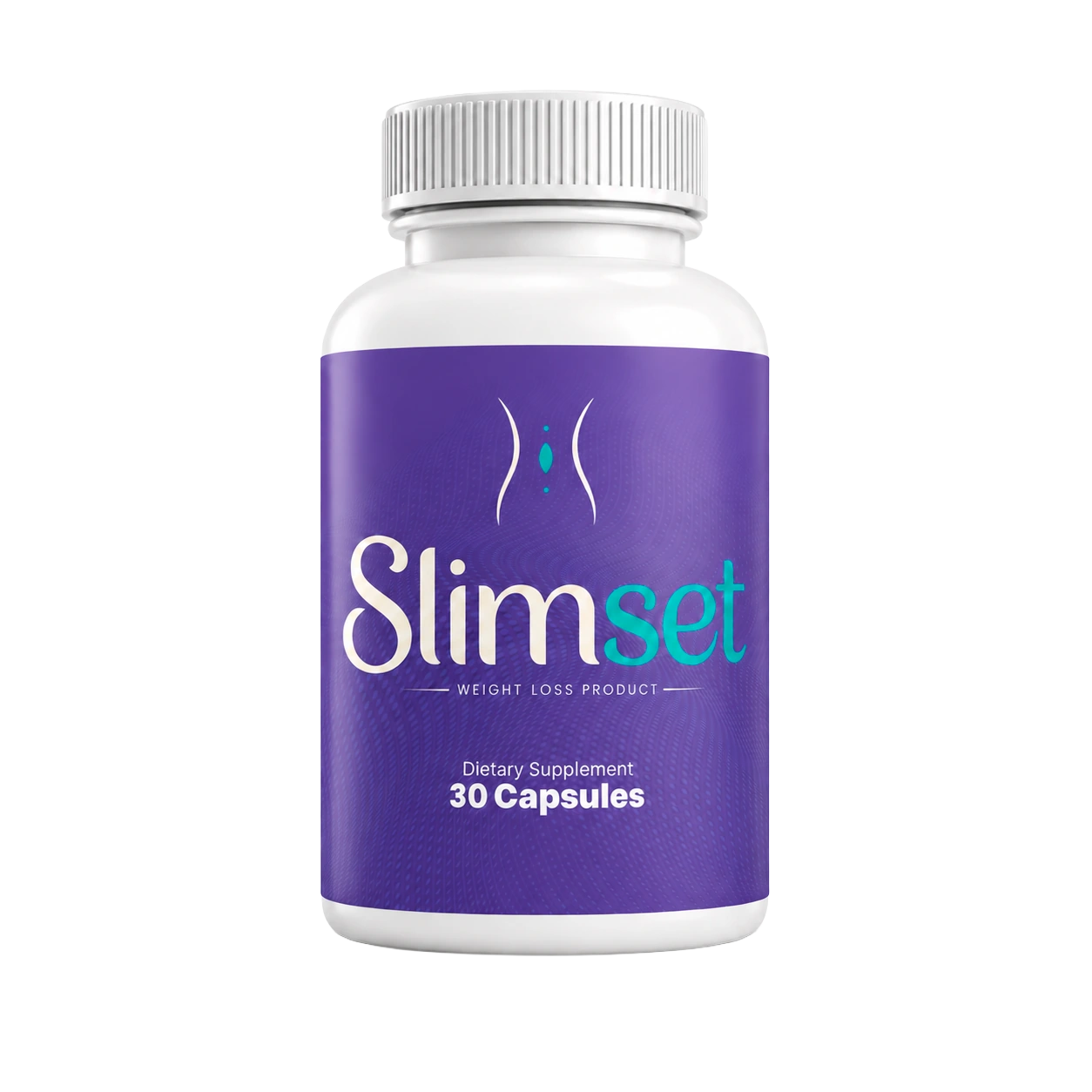
Five actives, a milligram figure against every one, 658 mg declared in total. One capsule a day, 30 to a bottle, with 60 days from purchase to change your mind.
One bottle $89 · six bottles $294 · 60-day money-back guarantee
Order SlimSet On The Official WebsiteOne capsule a day · 30 per bottle · lot SLI-26/GE-8193
The trial that found nothing: purified chlorogenic acid alone
Whole coffee is a complex mixture, so it is worth asking what happens when chlorogenic acid is tested on its own, isolated from everything else in the cup. A 2011 trial in Nutrition & Metabolism gave fifteen overweight men, in a randomised crossover, either 12 g decaffeinated coffee, 1 g of purified chlorogenic acid, 500 mg trigonelline (another coffee compound), or a placebo, ahead of an oral glucose tolerance test, then measured the incretin hormones GLP-1 and GIP directly.
None of the three active treatments, including the 1 g chlorogenic acid arm, significantly affected the overall GLP-1 or GIP secretion pattern relative to placebo. Decaffeinated coffee produced a small, isolated rise in total GLP-1 at the 30-minute mark before the glucose load, but the researchers noted this did not correspond to any change in glucose or insulin handling. Their own conclusion states plainly that the findings do not support coffee acutely improving glucose tolerance through incretin hormones, and that chronic effects remain to be studied.
Reconciling three studies that do not agree
Put side by side, these three pieces of evidence do not tell one clean story, and printing them as if they did would be the least honest thing this article could do.
- The cell study found a real, specific mechanism — a chlorogenic-acid-rich extract turning down a glucose transporter gene in human gut cells.
- The 2003 whole-coffee trial found a hormone pattern in living volunteers consistent with that same mechanism, but only from decaffeinated coffee, and it found caffeinated coffee pulling glucose the other way.
- The 2011 purified-compound trial found no incretin effect at all from chlorogenic acid given alone, in a dose nearly eight times what a single SlimSet capsule’s green coffee row could plausibly deliver.
A reasonable summary is that chlorogenic acid has a demonstrated laboratory mechanism, a supportive-but-indirect human signal from whole decaffeinated coffee, and a null result when tested as a purified compound at a substantial dose. That is not a settled ingredient story, and any framing that claims one is going further than the trials themselves went.
Converting this row's own standardisation
The green coffee bean row on this label is printed at 130 mg, standardised at 50% chlorogenic acids as printed, which works out to roughly 65 mg of chlorogenic acid per capsule. Set that beside the doses in the three trials above: the 2003 Johnston trial delivered chlorogenic acid at a concentration of 2.5 mmol per litre in 400 mL of coffee, which works out to somewhere in the range of 350–400 mg per serving depending on the exact compound measured; the 2011 Olthof trial used a purified 1 g dose directly. Both human trials cited in this article used several times more chlorogenic acid than this capsule’s green coffee row delivers on its own.
The Caco-2 cell study did not report its dose in a directly comparable milligram figure, since it worked with concentrated extracts applied to cells in a dish rather than a dose per body weight, which is a further reason that laboratory finding cannot be scaled directly onto a capsule taken with breakfast.
| Source | Chlorogenic acid dose | Multiple of this capsule’s ~65 mg |
|---|---|---|
| This capsule’s green coffee row | ~65 mg | 1× |
| 2003 Johnston trial (coffee) | ~350–400 mg per serving | roughly 5–6× |
| 2011 Olthof trial (purified compound) | 1,000 mg | roughly 15× |
The 2011 trial, at the highest dose of the three, is also the one that found no incretin hormone effect — a reason to be cautious about assuming a higher dose would simply produce a larger version of the 2003 trial’s result.
What this means for one capsule
The practical implication is narrower than the marketing implication. This capsule carries chlorogenic acid alongside 138 mg of caffeine, in a fasted-morning dose the published trials above did not test as a combination, and the caffeine and chlorogenic acid research on blood glucose points in different directions rather than the same one. Nobody taking this capsule for glucose-related reasons should assume either the cell-culture mechanism or the whole-coffee human trial applies directly to a capsule taken with water before breakfast.
For most buyers, none of this changes the practical routine: the label’s own instructions, read in full here, are the only dosing guidance that applies. It changes what a fair reader should believe about the mechanism printed implicitly into a 50% standardisation — a real biochemical idea, tested unevenly, and not yet closed.
A dietary supplement for healthy adults 18 and over, not a medicine and not FDA-approved. Nothing in this article is medical advice about blood glucose, and anyone managing diabetes or prediabetes with medication should treat that as a conversation for a prescriber, not a supplement label.
Related reading: the retracted trial behind green coffee bean covers the weight-loss claim this same ingredient is better known for, and the Coffea robusta article covers the species this extract is made from.
References
- Johnston KL, Clifford MN, Morgan LM. Coffee acutely modifies gastrointestinal hormone secretion and glucose tolerance in humans: glycemic effects of chlorogenic acid and caffeine. Am J Clin Nutr. 2003;78(4):728-733. PMID 14522730. https://pubmed.ncbi.nlm.nih.gov/14522730/
- Olthof MR, van Dijk AE, Deacon CF, Heine RJ, van Dam RM. Acute effects of decaffeinated coffee and the major coffee components chlorogenic acid and trigonelline on incretin hormones. Nutr Metab (Lond). 2011;8:10. PMID 21299855. https://pubmed.ncbi.nlm.nih.gov/21299855/
- Peixoto JAB, Andrade N, Machado S, Costa ASG, Oliveira MBPP, Martel F, Alves RC. Green/Roasted Coffee and Silverskin Extracts Inhibit Sugar Absorption by Human Intestinal Epithelial (Caco-2) Cells by Decreasing GLUT2 Gene Expression. Foods. 2022;11(23):3902. PMID 36496710. https://pubmed.ncbi.nlm.nih.gov/36496710/